Vietnam's Mobile Gaming Landscape: Why Quality Flight Beats Saturation (2026)
Industry insiders often complain of saturation as ad costs climb. But record revenues and packed servers tell a different story. Gamers haven't stopped playing; they are simply rejecting shallow copies in favor of 4 transformative quality trends.
In this article⌄
- 011. Elevating Graphical Fidelity & Open-World Immersion (Sword of Justice)
- 022. Leveraging Fandom Loyalty & 3D Anime Tactical Gameplay (Girls' Frontline 2)
- 033. Unlocking Niche Goldmines: Female Gamers & Romantic Narrative Titles (Nguyet Mong)
- 044. The Twin Engine: Renowned IP Licensing & A-List Brand Ambassadors
- 05The Strategic Blueprint for Game Publishers in 2026
If one only watches dozens of generic servers opening monthly and quietly vanishing weeks later, it is easy to assume Vietnam's gaming market is exhausted. But the reality tells a different story: industry revenue keeps growing steadily, while projects investing seriously in graphical fidelity, lore, and IP repeatedly shatter launch-day records. In truth, Vietnamese gamers haven't lost passion; they have simply matured, demanding genuine depth over superficial ad promises. The market is not running out of players: it is ruthlessly weeding out low-effort titles to clear the stage for true innovators.
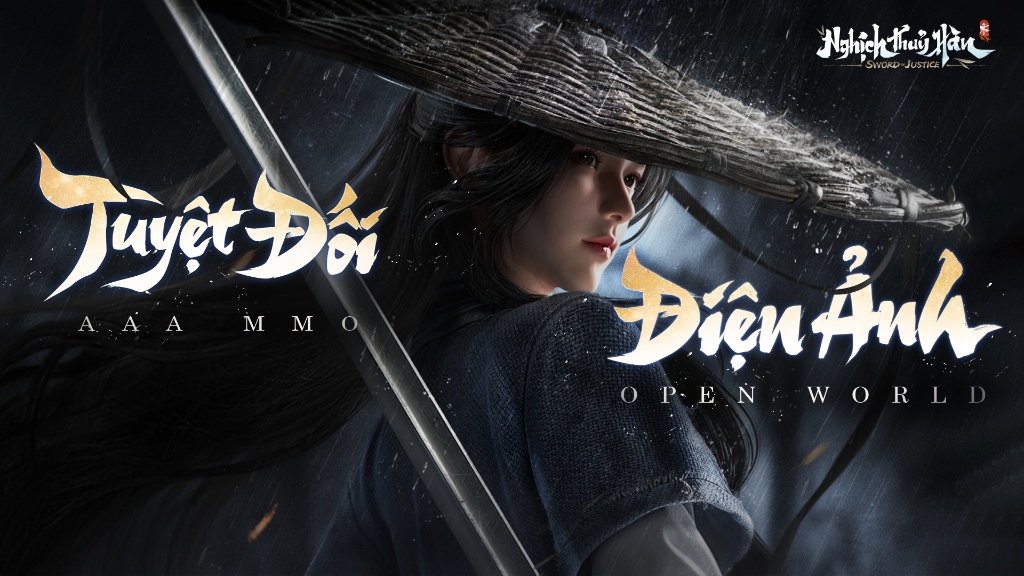
1. Elevating Graphical Fidelity & Open-World Immersion (Sword of Justice)
Gone are the days when players tolerated jagged 2D sprites and mindless auto-questing buttons. With modern smartphones packing incredible processing power, visual expectations have escalated to PC and console standards. Sword of Justice heralds a new era of cinematic AAA mobile immersion: dynamic foliage, realistic water reflections, emotion-driven AI NPCs, and unrestricted aerial combat redefine martial arts roleplaying. When a game achieves sensory and mechanical excellence, players willingly invest out of pure admiration rather than coercive paywalls.
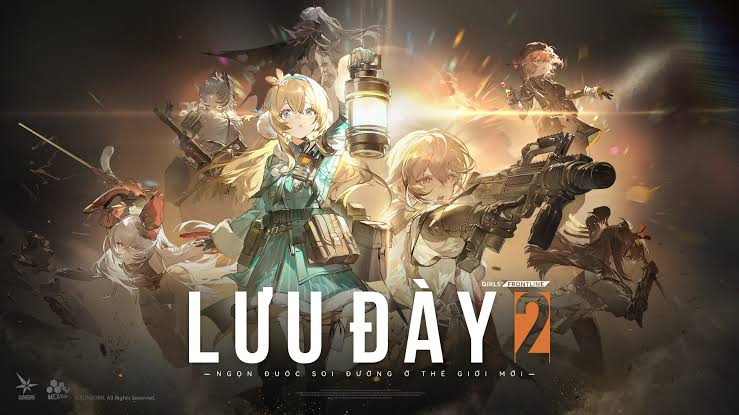
2. Leveraging Fandom Loyalty & 3D Anime Tactical Gameplay (Girls' Frontline 2)
Gen Z audiences enter virtual worlds seeking emotional resonance rather than mere competition. ACGN blockbusters like Girls' Frontline: Exilium thrive on Emotional Monetization: players invest financially out of genuine affection for character narratives and waifu bonds. This emotional loyalty fuels viral organic fanart, TikTok cosplays, and community discussions that no paid media budget could ever replicate.
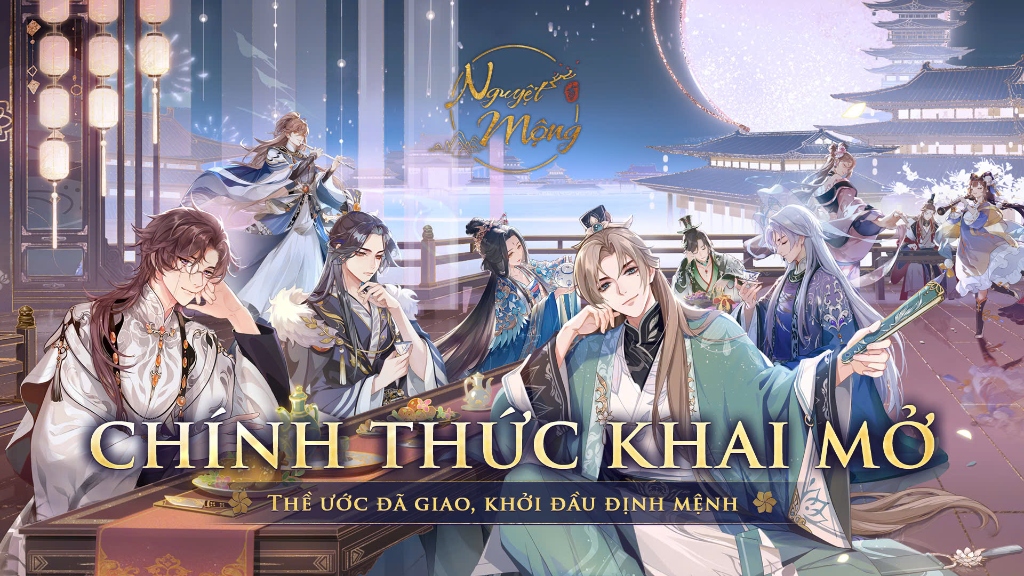
3. Unlocking Niche Goldmines: Female Gamers & Romantic Narrative Titles (Nguyet Mong)
For years, legacy publishers operated under the misconception that only hardcore male PvP players monetized. That is a costly blind spot. Female gamers constitute nearly half of Vietnam's gaming base, with extraordinary spending appetite for haute couture cosmetics, romantic narrative choices, and manor decorating. Nguyet Mong proves the commercial potency of this demographic: delivering an enchanting ancient romance where players express individual style, fostering fierce community loyalty and enviable ARPPU metrics.
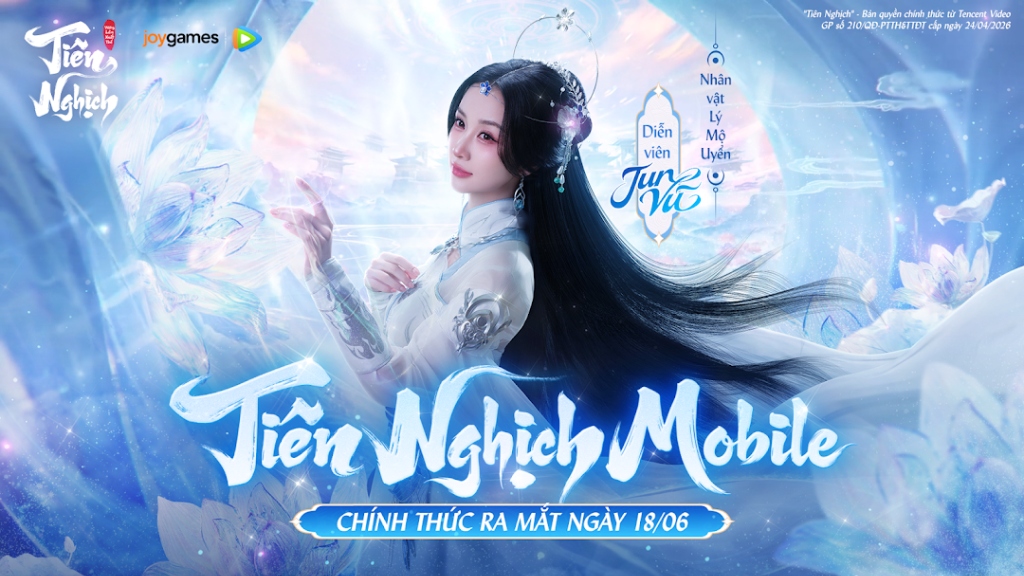
4. The Twin Engine: Renowned IP Licensing & A-List Brand Ambassadors
Amid hundreds of annual game releases, how do you capture immediate player trust on launch day? One common approach is combining licensed IP prestige with celebrity ambassador power: securing official rights from a popular anime/comic IP and pairing it with a brand ambassador who matches the character's image. This approach typically addresses 3 challenges:
- Eliminating pirate server skepticism: Official IP licensing and verified G1 compliance assure players of long-term operational longevity.
- Supporting ad performance: Ambassador visuals that match the in-game character art typically outperform generic ad creative in click-through rate across social channels and OOH billboards.
- Igniting organic earned media: Mainstream culture portals, film forums, and the source material's fan community often share the launch organically, at no media cost.
The Strategic Blueprint for Game Publishers in 2026
- Pillar 1: Fortifying community moats on Discord and Facebook groups to sustain organic dialogue across every live-ops update cycle.
- Pillar 2: Dominating dedicated niche territories (ACGN Anime, AAA Martial Arts, Female Romance) instead of diluting identity with generic compromises.
- Pillar 3: Delivering culturally nuanced Vietnamese localization and bespoke 1-on-1 concierge support for guild leaders and VIP spenders.
- Pillar 4: Synchronizing offline launch spectacles, esports tournaments, and creator campaigns into unforgettable cultural milestones.
💬 Reader Discussion
Share your perspective, questions, or campaign experience.
Đang tải bình luận...