LiveOps: After the game launches, how can we retain Thai players?
Retaining players depends on more than just continuously releasing new content. An effective LiveOps strategy must combine in-game experiences, events, community engagement, creators, and content localization to sustain player interest over the long term.
In this article⌄
Game LiveOps Marketing in Thailand is a strategy to maintain player interest and engagement after the game’s launch through continuous content updates, events, community engagement, and interactive activities. Rather than viewing the release date as the end of marketing efforts, publishers need to continue creating compelling reasons for players to return and remain engaged with the product.
1. Why is LiveOps Becoming Increasingly Important for Games in Thailand?
Launch day is usually when a game receives the most attention, but it’s also just the beginning of the player’s journey. After downloading the game and experiencing the initial content, players may quickly leave if they no longer have a reason to return.
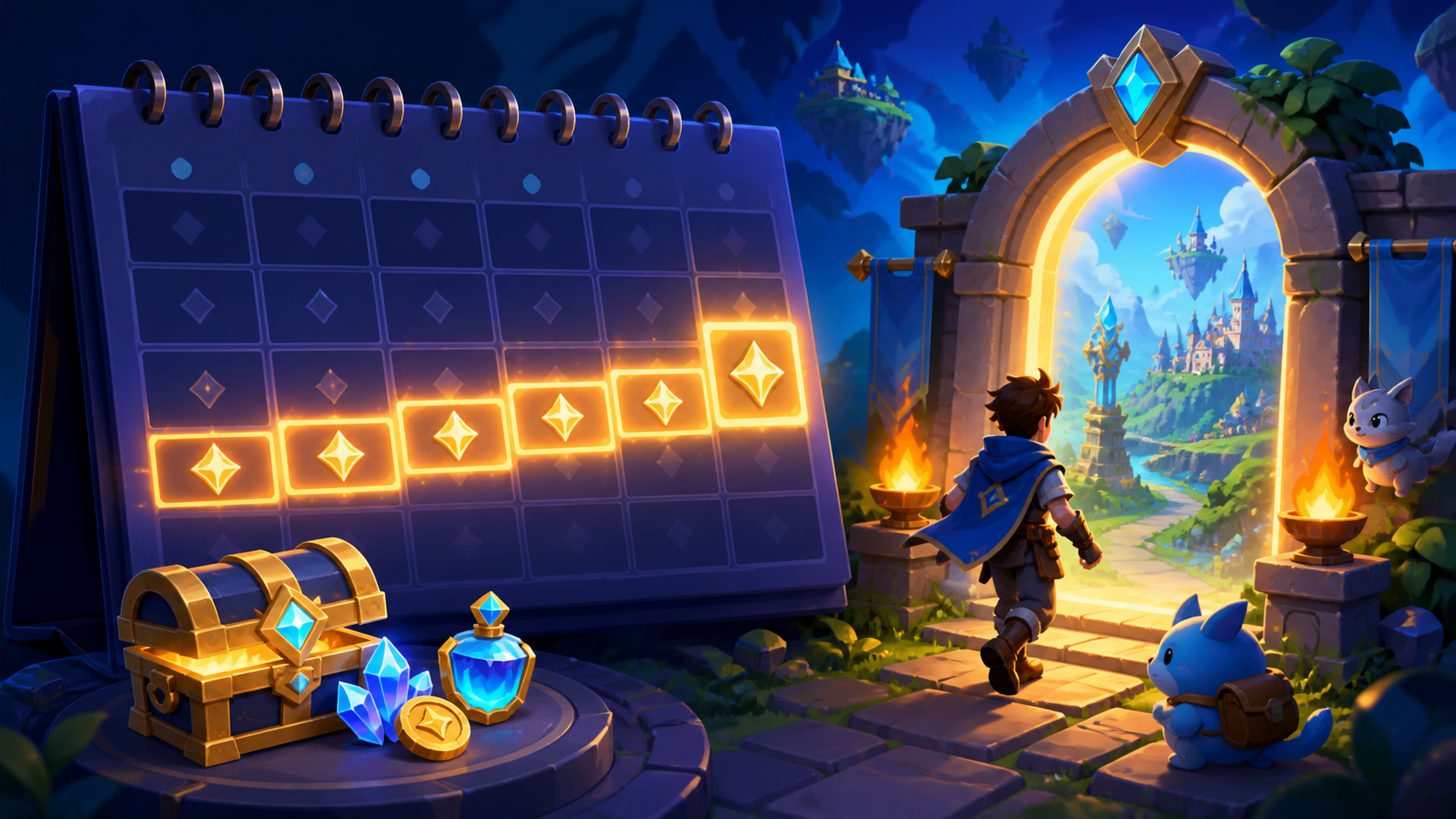
LiveOps addresses this challenge by transforming the game into a continuously operated product. Activities such as limited-time events, new content, seasonal missions, battle passes, login rewards, and gameplay updates can all create additional touchpoints with players.
This trend also reflects shifts in the global mobile gaming market. According to Sensor Tower, developers are focusing more on existing titles amid slower growth in new downloads, while revenue, playtime, and the number of sessions continue to rise. Games are thus increasingly operated like a service that requires continuous updates and maintenance.
Another report from Sensor Tower shows that high-revenue games typically use linked event systems, frequent content updates, and reward mechanisms to maintain player attention and engagement levels.
This shows that LiveOps isn’t simply about “having a new event every week”. More importantly, activities must be interconnected and serve a clear purpose within the player’s journey.
For Thailand, this issue is particularly noteworthy given the market’s relatively high level of mobile gaming spending. According to Sensor Tower, mobile game IAP revenue in Thailand reached approximately $162 million in Q1 2025, ranking first in Southeast Asia during this period.
The Antom – Thailand Gaming & Payment Trends Report also noted that nearly 49% of surveyed players were paying users, with an average spend of about $393 per person, according to the report’s data.
Therefore, as the cost of acquiring players becomes increasingly important, retaining the group of users who have already downloaded and experienced the game has become an integral part of post-launch marketing strategies.
2. What do Thai players need to keep coming back?
If LiveOps is how publishers maintain a product’s lifecycle, the next question is: what actually makes players want to return?
Not every event or piece of new content creates the same impact. Effectiveness depends on whether the activity aligns with the behavior, preferences, and play motivations of each user group.
New content must give players a reason to come back
One of the most important goals of LiveOps is to create a clear enough reason for players to open the game again. If the product doesn’t undergo significant changes after launch, players may complete the main content and gradually log in less frequently.
For role-playing games, new content can include characters, maps, quests, or storylines. For competitive games, publishers can use seasons, leaderboards, tournaments, or seasonal rewards. Meanwhile, casual games can leverage limited-time challenges, collectibles, and themed events.
The key point is that each activity must have a specific goal. An event that only prompts players to log in once will yield very different results than a series of quests that keeps them coming back for several days.
Therefore, instead of constantly adding new events, publishers should ask: What behavior is this activity driving, and what reason do players have to continue participating after their first time?
Seasonal events must align with local culture
The Thai market also presents opportunities for LiveOps to integrate with relevant cultural occasions. Songkran is an example worth studying when developing a content calendar, especially for games that already feature seasonal events, costumes, or limited-edition items.
However, not every game needs to incorporate Songkran or Thai cultural elements into every activity. What’s important is that the event fits within the game’s world and provides real value to players.
The case of Home Sweet Home demonstrates how local culture can become an integral part of the gaming experience rather than merely being used in advertising. According to the Tourism Authority of Thailand, the game incorporates Thai mythology, beliefs, superstitions, folklore, and landmarks into its storytelling.
With LiveOps, this approach can be expanded into seasonal content or limited-time events if they align with the product. The goal isn’t to make the event “look Thai,” but rather to find ways to connect local elements with an experience that players are already familiar with.
3. How can the community and creators extend a game’s lifecycle?
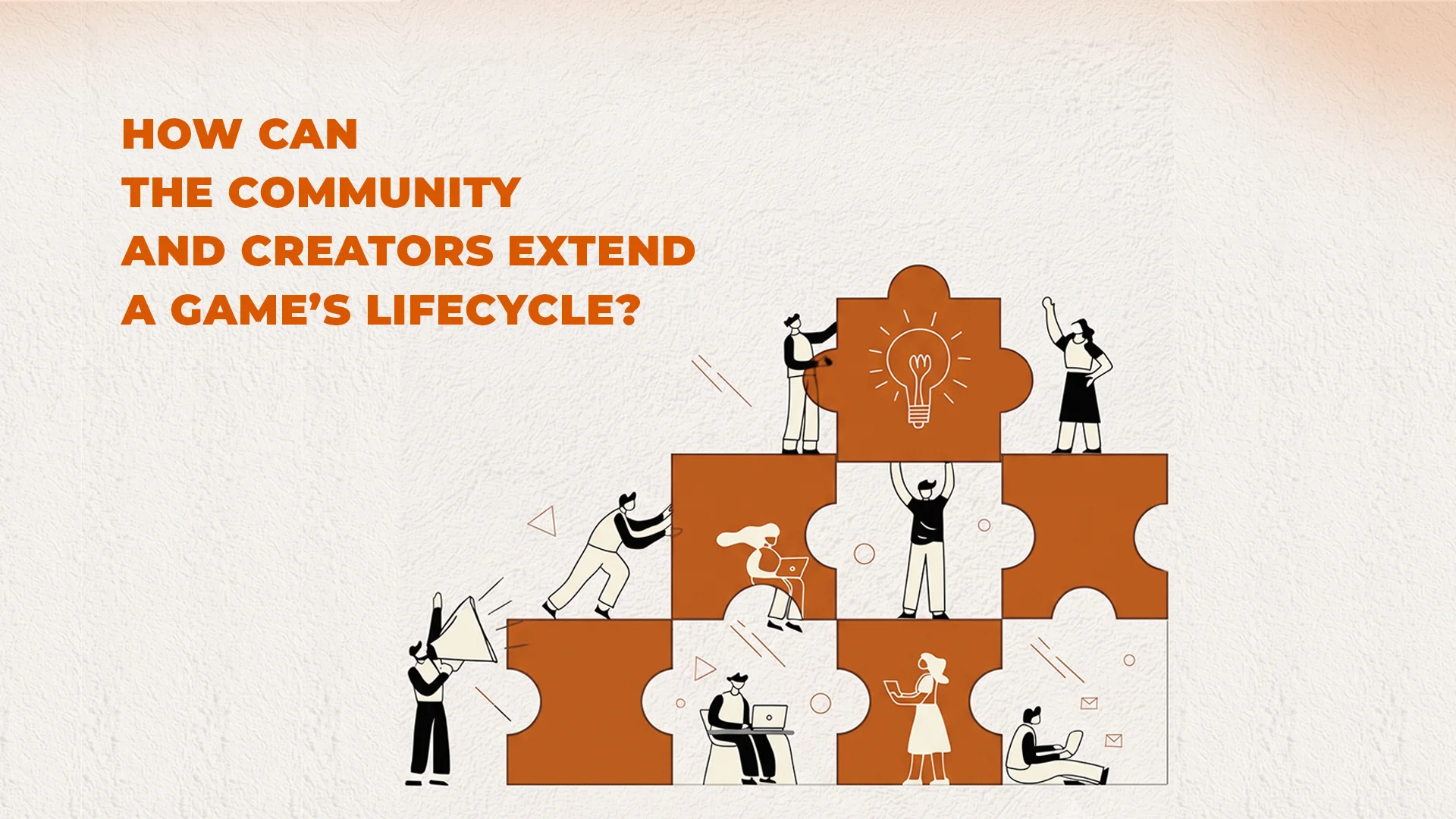
In-game content is only part of the post-launch experience. When players have a place to interact, find teammates, follow updates, or share achievements, their connection to the game can continue even when they aren’t directly logged in.
This is also why LiveOps should be viewed as more than just the in-game update schedule. Community and creator activities need to be connected to what’s happening within the product.
The community creates more reasons to stay
After launch, the community can become an integral part of the gaming experience rather than just a customer support channel. This is particularly important for MMORPGs, strategy games, and titles that involve competition or collaboration.
According to Antom, Facebook plays a significant role in Thailand’s gaming ecosystem. Over 70% of gamers surveyed for the report said they discover new games through Facebook. Official fan pages are used to share updates, while player-run groups serve as hubs for recruiting guild members, sharing tips, and organizing community events.
This also impacts retention. When players have a place to ask questions, find teammates, join guilds, or follow updates, they have more reasons to stay connected to the game even when they aren’t actively logged in.
Therefore, the LiveOps schedule should align with the community content calendar: explaining new features, guiding players through events, encouraging them to share achievements, and gathering feedback.
Creators don’t just play a role during the launch phase
Creators can also continue to play a role after the game is released. Instead of just creating a promotional video, they can try out updates, livestream events, demonstrate new features, or participate in community activities.
A 2026 study surveying 400 followers of gaming content creators in Thailand showed that the 5A journey had a strong influence on audience engagement within the study’s model. The study also noted that digital content strategies have both direct and indirect effects on engagement.
From a LiveOps perspective, this suggests that creators can be incorporated into plans to sustain engagement rather than appearing only during the pre- and post-launch promotional phases.
When major updates are released, creators can help players understand the new content. During community events, they can provide additional reasons for players to participate. And when there is a surge in player feedback, creators’ content can help explain or convey the game’s changes.
4. How to Build an Effective LiveOps Strategy?
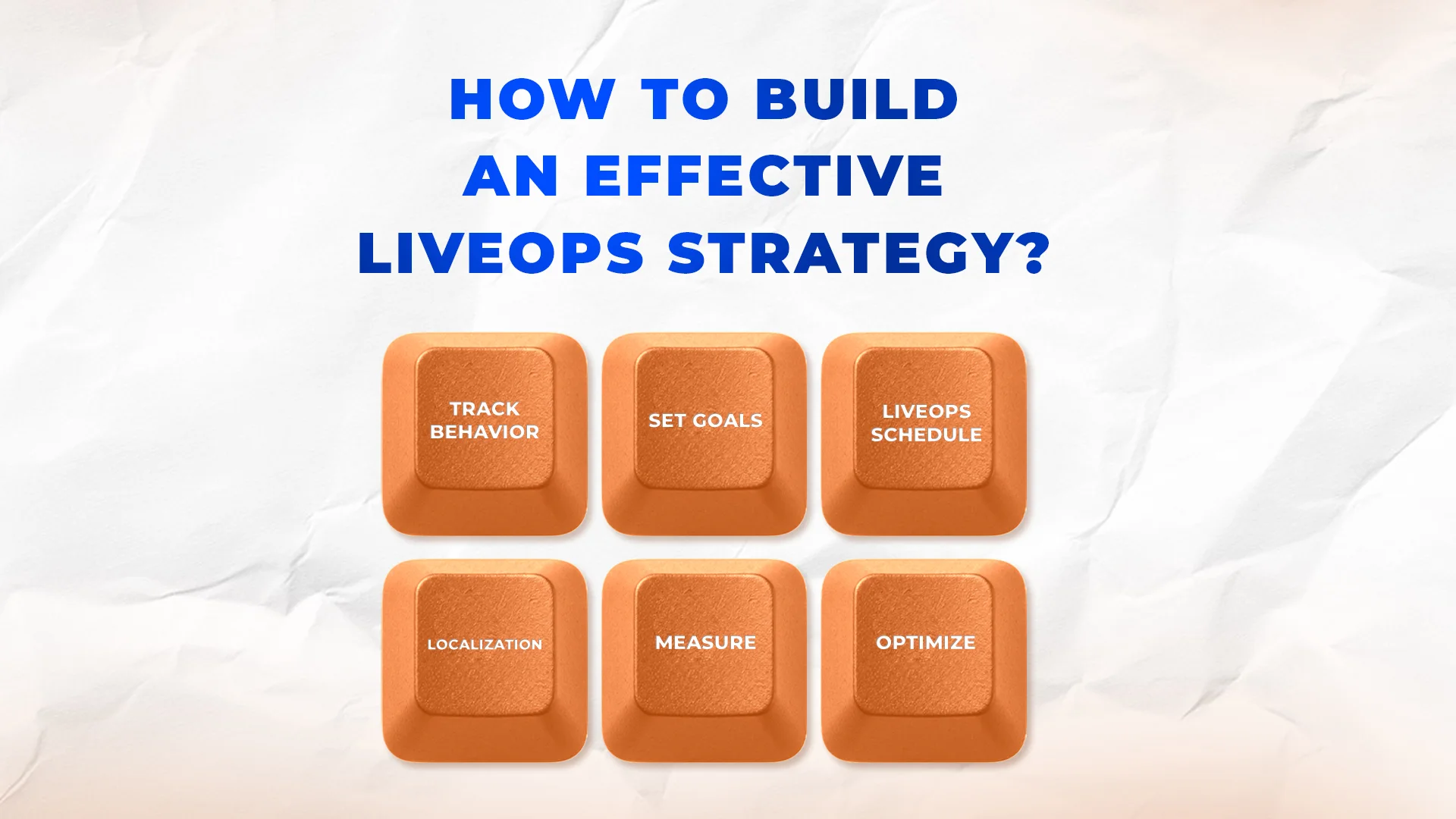
Once you’ve identified the factors that keep players coming back, the next step is to turn them into a measurable and adjustable operational process.
An effective LiveOps strategy shouldn’t start with a pre-set, fixed event calendar for the entire year. Instead, publishers should start with player data and continuously adjust based on actual results.
Track behavior rather than just looking at download numbers
The process can begin with five steps:
- Track behavior: Identify when players leave the game, which content has high engagement rates, and which player groups are most valuable.
- Set goals: Increase logins, improve retention, drive community engagement, or boost revenue.
- Create a LiveOps schedule: Combine gameplay updates, events, community content, and creator activities.
- Localization: Tailor content, timing, and themes to the behavior and culture of Thai players.
- Measure and optimize: Evaluate results after each activity to adjust future events.
Download numbers indicate whether a launch campaign has attracted players, but they do not reveal whether players will continue playing. With LiveOps, metrics such as DAU, WAU, retention rates, playtime, login sessions, event participation rates, and revenue per player will help publishers better understand the quality of their user base after launch.
In particular, data should be analyzed by segment. New players may react differently from long-time players, while free-to-play players also exhibit different behavior from the group that spends regularly.
From there, publishers can design activities tailored to each segment rather than using a single reward or event for the entire player base.
LiveOps and monetization should be viewed together
LiveOps also creates monetization opportunities, but events should not be designed solely to sell in-game items. Players need to feel that new content provides value before they decide to spend money.
According to Sensor Tower, battle passes, collection systems, and multi-tiered events are mechanisms used by high-revenue games to combine engagement with monetization. Some games even link multiple events under a single theme to create a continuous experience rather than a single, isolated activity.
For the Thai market, the payment experience should also be factored into the LiveOps strategy. According to Antom, players in Thailand use various payment methods such as bank transfers and e-wallets, with TrueMoney being a popular choice. The report also points out that payment errors and complex processes can negatively impact the purchasing experience.
Therefore, an event with compelling content but a multi-step payment process can still reduce conversion rates. LiveOps should be viewed as a complete chain of experiences:
Discover the event → participate → receive rewards → return → decide to spend.
LiveOps isn’t just about continuously rolling out new events after launch. The more important goal is to create a loop that gives players a reason to come back, engage with the community, experience new content, and remain committed to the game.
In Thailand, this strategy can combine content updates, seasonal events, creators, Facebook, community engagement, and cultural localization to build a long-term post-launch journey. When combined with retention data, spending behavior, and player feedback, publishers can tailor their activities to specific groups rather than applying a one-size-fits-all approach.
Publishers looking to conduct market research, study player behavior, or develop a LiveOps strategy in Thailand can contact ANBU to gain insights and develop a plan tailored to each product.
💬 Reader Discussion
Share your perspective, questions, or campaign experience.
Đang tải bình luận...