Building Mobile Gaming Communities in Vietnam: From Facebook Groups to LiveOps
A silent group of 50,000 members yields far less value than an active community of 5,000 players debating the meta daily. How to operate Facebook Groups, Discord servers, and activate players into organic brand advocates.
In this article⌄
As digital ad costs climb and CPIs escalate quarterly, a loyal player community remains the only asset competitors cannot simply buy out with cash. A vibrant community not only slashes churn rates but also sustains an organic pipeline of high-intent new players through authentic word-of-mouth.
1. Selecting the Right Platform by Game Genre
In Vietnam, Facebook Groups and Discord serve fundamentally distinct strategic purposes:
- Facebook Groups: Best for mass-market audiences, casual, gacha, and traditional MMORPGs. Ideal for meme sharing, gacha flexes, trading, and event notices.
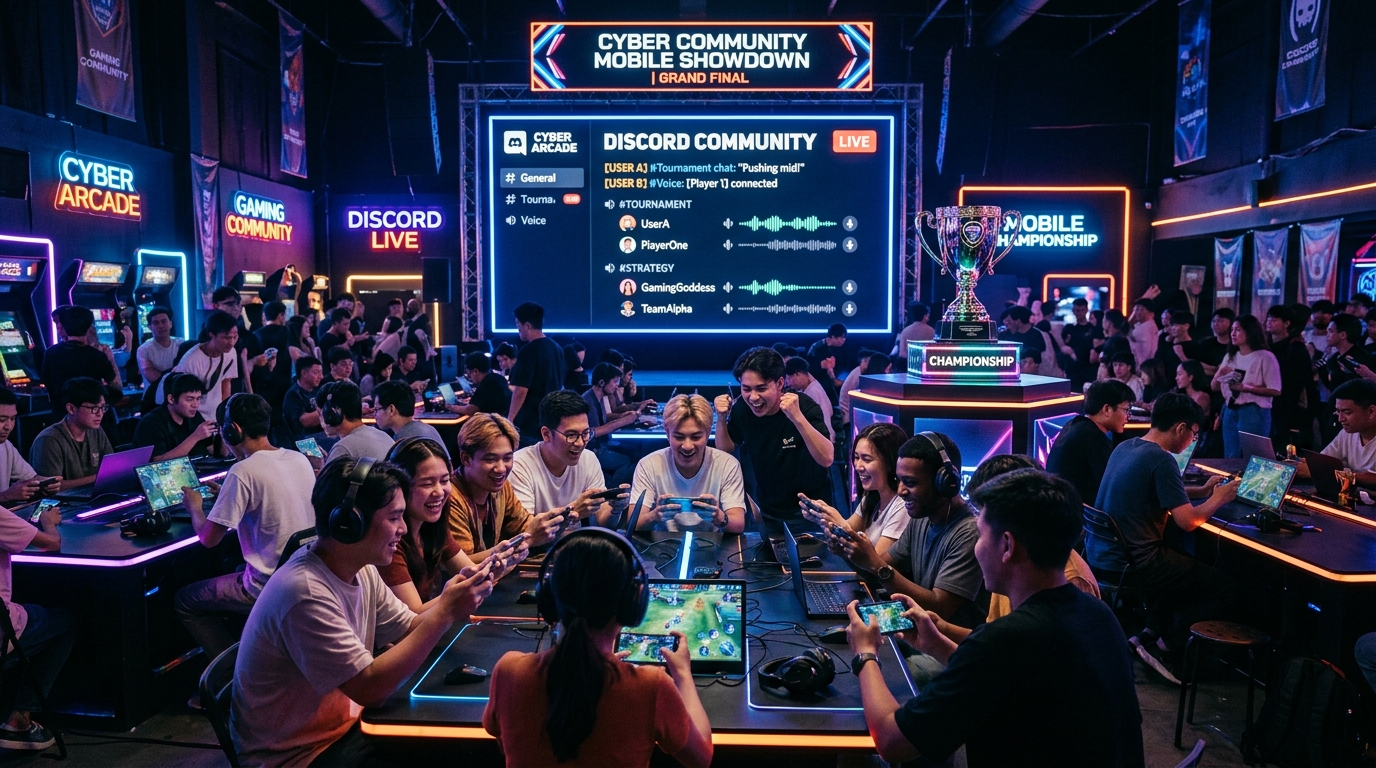
- Discord: The golden standard for eSports, MOBA, FPS, and hardcore strategy. Enables real-time voice comms for guild raids and deep meta discussions.

2. Activating The Continuous Community Loop
Never let your group become a one-way corporate bulletin board. Establish a weekly rhythm: Q&A Mondays, Pro-Tip Wednesdays, Minigame Fridays, and Sunday Guild Highlights. When players see their contributions rewarded with exclusive in-game titles and public recognition, they willingly champion the game every single day.
💬 Reader Discussion
Share your perspective, questions, or campaign experience.
Đang tải bình luận...