SEO in 2026: The Complete Playbook for AI Search & Google E-E-A-T
As search engines shift from ten blue links to AI Overviews and direct synthetic answers, traditional rank is no longer enough. Strategies to become the cited authority for both AI engines and human searchers.
In this article⌄
In 2026, user search behavior has fundamentally transformed. AI systems like Google AI Overviews, ChatGPT Search, and Perplexity synthesize direct answers immediately. A page ranking position 3 with weak semantic structure risks losing all organic visibility unless it is explicitly cited as a trusted authoritative source.

1. The E-E-A-T Pillar: Real-World Experience Outperforms AI Parrots
Google heavily weights first-hand Experience. Generic theoretical summaries are downgraded by Helpful Content classifiers. Brands must substantiate authenticity via three elements:
- Verified Author Schema & Bios: Transparent expert bylines with proven industry credentials and active social professional profiles.
- Proprietary Data & Case Studies: Citing firsthand performance benchmarks and testing data unique to your operations.
- Custom Infographics & UI Screenshots: Embedding real-world workflow screenshots rather than generic stock photos.
2. Engineering Direct Answers for AI Search
To win AI citations, adopt the 'Answer-First' architecture: state the core solution concisely within the first two sentences beneath each H2 heading before elaborating into technical implementation details.
4. Build content around the search journey
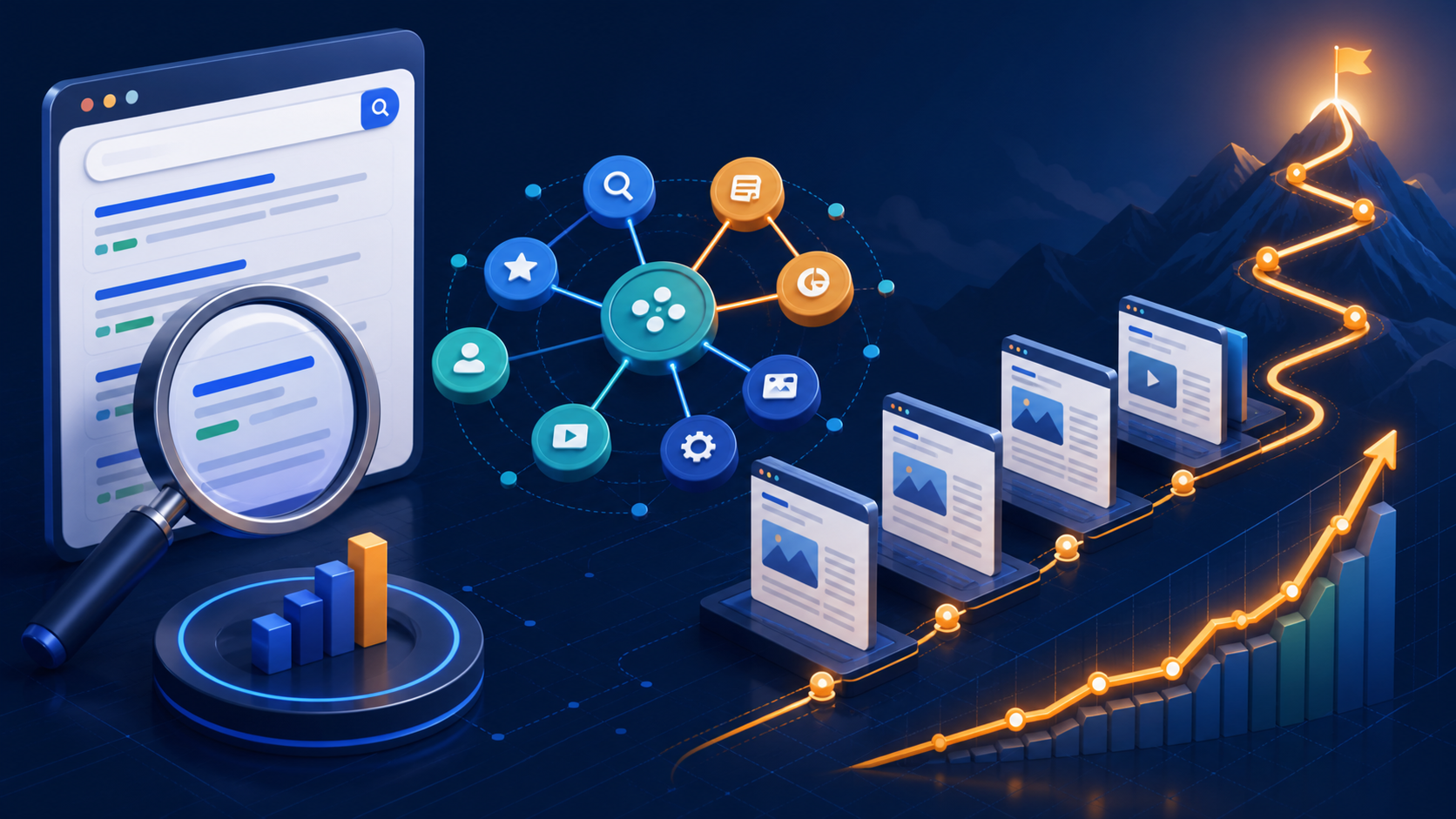
A keyword never exists in isolation. People move from broad questions to comparison, evidence and finally provider selection. A site needs a cluster that serves the full journey: pillar pages explain the topic, deep articles answer specific questions and service pages convert intent into action.
5. Build an advantage AI cannot easily copy
- First-hand experience, processes and real project viewpoints
- Approved first-party data and proprietary interpretation
- Before-and-after examples, checklists and real decisions
- Expert authors with clear profiles and editorial responsibility
6. Measure SEO through business impact
Rankings and traffic are navigation signals, not the destination. Track queries that create leads, movement from articles to service pages, citations by AI or other sites and revenue assisted by organic search. A low-traffic article attracting the right buyers can be more valuable than a viral article that drives no action.
💬 Reader Discussion
Share your perspective, questions, or campaign experience.
Đang tải bình luận...