The Vietnamese Gaming Market and Changes in How Players Are Engaged
Game marketing in Vietnam is shifting toward a greater focus on players, real-world experiences, and community building. Rather than relying solely on advertising to boost brand awareness, today’s campaigns must integrate in-game content, content creators, social media, and community activities to reach the right audience and sustain engagement throughout the game’s lifecycle.

In this article⌄
The Vietnamese gaming market is undergoing significant changes, with an increasing number of new titles being released. Players now have more options, can easily find information before downloading a game, and can share their gaming experiences within the community.
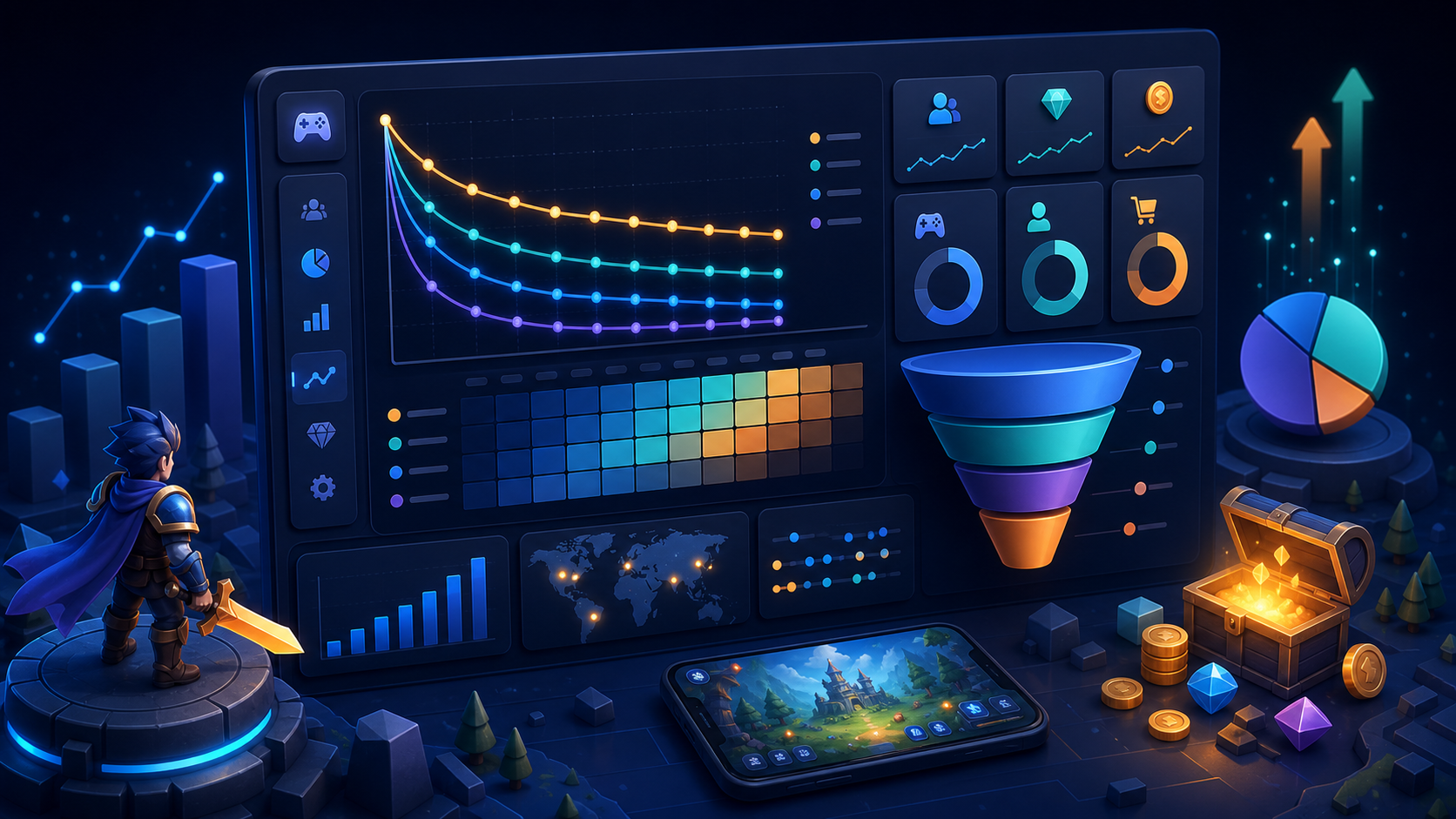
According to the “Vietnam Mobile Gaming Year-in-Review 2025” report, Vietnam has approximately 54 million mobile gamers, and the mobile gaming market revenue in 2025 is estimated at approximately $825 million, an increase of 9.16% from the previous year. It is worth noting that the market is gradually shifting its focus from player numbers alone to player quality and long-term value.
From a broader perspective, DataReport reports that Vietnam had 79.8 million Internet users in January 2025, equivalent to 78.8% of the population. This creates a favorable environment for games to reach players through social media, video, online communities, and digital content platforms.
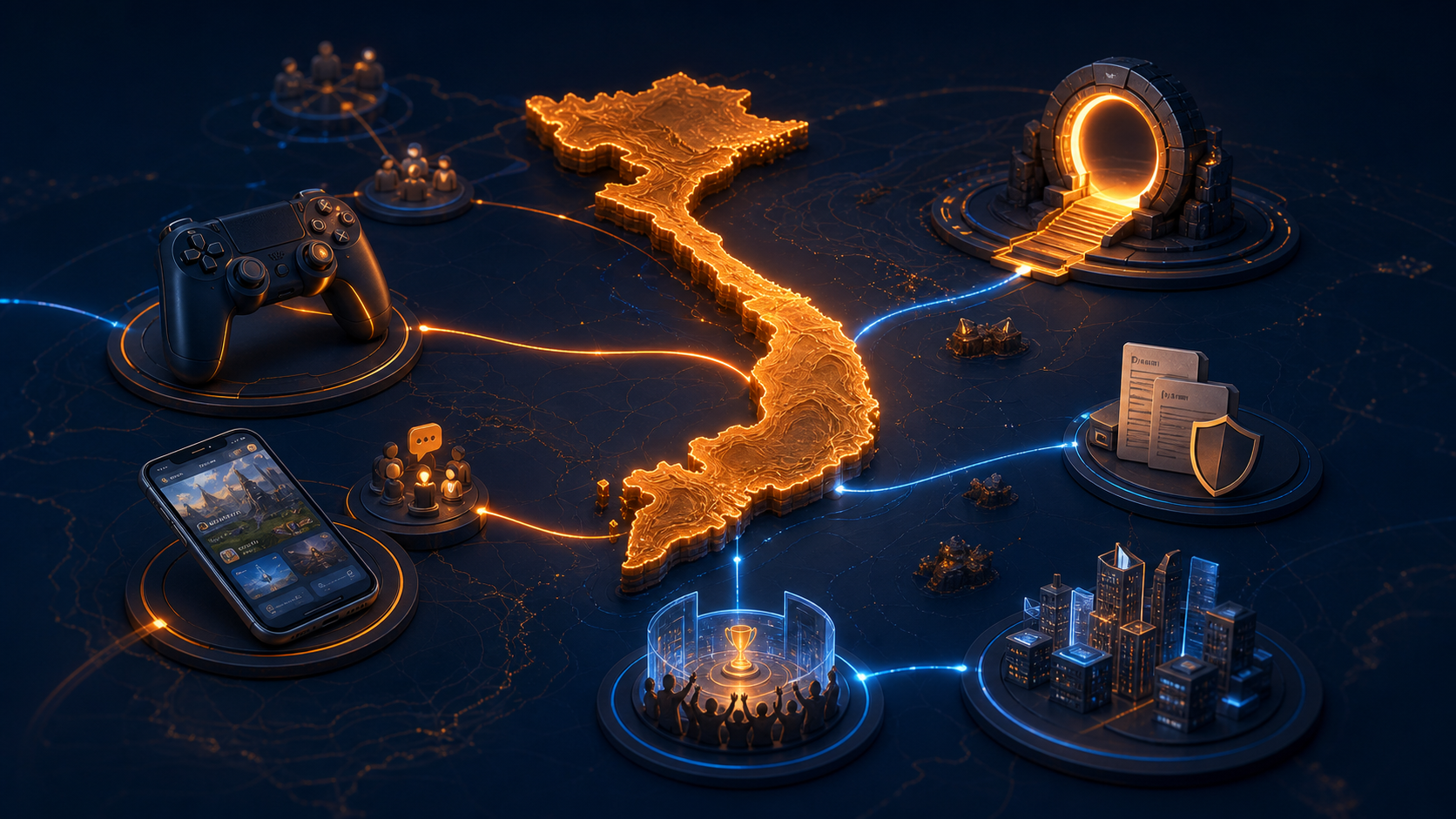
These figures show that the opportunities are still vast. However, just because there are many players doesn’t mean a new game will easily attract users. The approach to reaching players needs to shift toward a more practical one, focusing on experience, content, and community.
Game marketing in Vietnam is shifting toward a greater focus on players, real-world experiences, and community building. Rather than relying solely on advertising to boost brand awareness, today’s campaigns must integrate in-game content, content creators, social media, and community activities to reach the right audience and sustain engagement throughout the game’s lifecycle.
1. How has the gaming market in Vietnam changed?
- Players are no longer easily lured in by ads alone
A visually appealing ad can help a game grab initial attention, but it’s not enough to convince players to download it.
Before playing, users typically want to know what makes the game unique, whether the gameplay suits them, which characters stand out, and what other players think of it. For games that have been in development and receiving updates for a long time, players are also interested in whether the game is updated frequently, whether the community is active, and whether the game’s content is engaging enough to keep them playing for the long term.
Therefore, instead of simply conveying a message like “New game released,” marketing content should help players better understand the product. You could develop content ideas such as gameplay videos, character analyses, beginner’s guides, or live streams. This type of content can provide more useful information than an ad that focuses solely on attractive visuals.
The key point is that ads spark curiosity, while the follow-up content must give players enough information to make an informed decision.
- From Finding Many Players to Finding the Right Players
Not everyone who sees an ad is the right fit. Each game genre attracts a different audience. Gacha games may appeal to people who enjoy collecting characters, building teams, and following new storylines, while strategy and shooter games are better suited for those who love competition and tactics.
Therefore, before developing a campaign, you must identify the target audience that is likely to be interested in the product. Only then can you decide on the platform, content type, creators, and approach.
This is particularly important when the budget for player acquisition must be used effectively. A campaign with a large reach, but where the majority of the audience isn’t a good fit for the game, may not necessarily deliver as much value as a smaller campaign that targets the right community.
2. The way we engage with players is changing
- Players want to see the real experience
Players are increasingly interested in how a game actually plays, rather than just seeing pre-rendered footage in trailers.
A trailer may showcase the graphics, characters, and standout features, but it doesn’t fully capture the gameplay experience. That’s why content such as gameplay videos, livestreams, beginner’s guides, character reviews, team composition analyses, and tips and tricks plays such an important role.
This content helps players get a clearer picture of the product. At the same time, showcasing the actual experience helps avoid issues such as exaggerated advertising that doesn’t match players’ expectations. Effective marketing not only makes players want to download the game but also helps them understand exactly what they’ll get after downloading it.
- Content creators serve as a bridge to players
Choosing the right gaming streamers, TikTokers, and YouTubers not only helps get information out to the community but also provides a more relatable perspective on the product. By playing the game, sharing their impressions, analyzing characters, livestreaming, or participating in in-game activities, creators can help viewers understand the product in a more natural way.
However, the number of followers should not be the only criterion. A creator with a small following—but whose audience largely enjoys the specific genre of games being promoted and engages well with the content—is sometimes a better fit than one with a large following but little relevance to the product.
- Leverage community topics to develop content
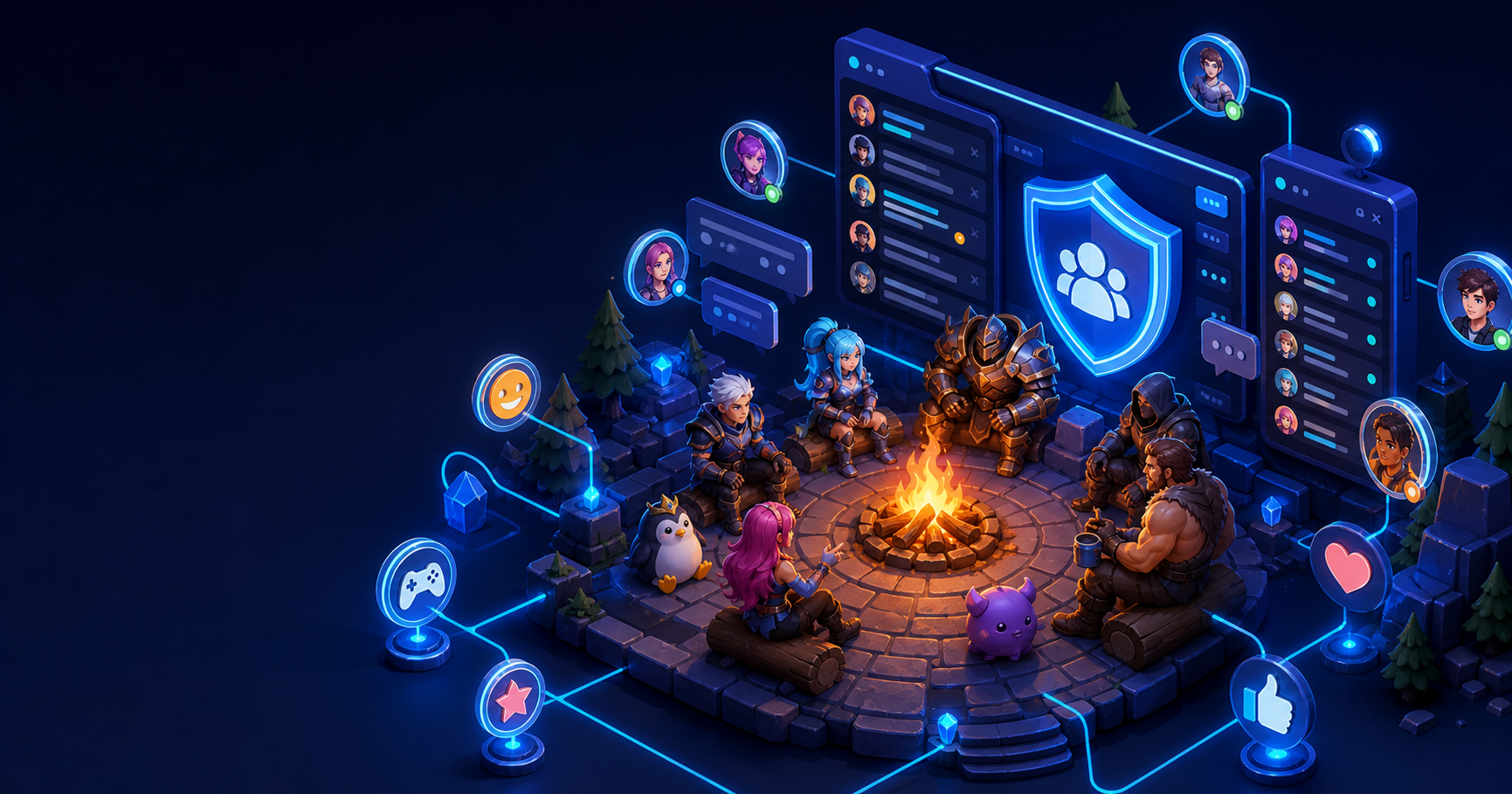
When exploring a new game, players often want to know what others are saying. They may want to learn about characters, gameplay, team compositions, events, updates, or common issues faced by new players. This makes the community an important part of a player’s journey.
Someone might learn about a game through an ad, but by joining a community group, reading posts from current players, and engaging in active discussions, they gain more reasons to try it out. Conversely, if most of the content they encounter consists of negative feedback that goes unaddressed, their decision to download the game may be affected.
- Player discussions can also become content
A thriving gaming community always has topics that players are interested in and debate. These often include questions about the strongest characters, effective team compositions, how to use resources, or changes in the latest update.
These topics can serve as inspiration for developing an analysis piece, an explanatory video, a poll, or a livestream discussion.
However, the goal is not to stir up controversy just to boost engagement. The best approach is to observe what players are truly interested in, and then provide additional information to make the discussion more meaningful.
3. Game marketing needs to evolve with each stage
- Marketing doesn’t end when the game is released
Focusing nearly all marketing efforts on the game’s release date is a common mistake. The release date is just one milestone in a game’s lifecycle—not the end of marketing efforts. After the game launches, players begin to form opinions, join the community, and share their experiences.
Marketing efforts must be sustained throughout the entire process—before, during, and after the game’s release—and content must be developed in phases.
Before launch, focus on introducing the game world, characters, and key highlights. Once the game is released, content should help players get started quickly through gameplay videos, tutorials, and livestreams. After that, content can shift to gameplay tips, character analysis, community discussions, and interactive activities. When an update or new character is released, this presents another opportunity to generate interest and bring players back.
- Listening to players is just as important as reaching out to them
Marketing is often understood as delivering a message to players. But when it comes to games, listening is just as important as reaching out.
After a game is released, the team can monitor discussions, feedback, and reviews across various platforms. Using this data, the team can create future content, gain a deeper understanding of the community, and develop the game to make it more engaging.
Therefore, game marketing evaluations should combine data, feedback, and actual player behavior.
- Put players at the center of your game marketing strategy
As the Vietnamese gaming market becomes increasingly competitive, brands should not just focus on reaching as many people as possible; instead, they need to identify the right audience and understand what truly matters to them. Marketing content should also reflect the actual gaming experience, provide useful information, and give players a reason to explore the product.
Marketing isn’t just about attracting players; it also involves listening to feedback, tracking behavior, and maintaining their interest throughout their gaming experience. Putting players at the center will help the brand develop a more tailored approach and foster long-term loyalty to the product.
The Vietnamese gaming market is entering a more competitive phase, as players have an increasing number of options and the way they engage with games has changed significantly. In this context, simply increasing the advertising budget is no longer enough to set a brand apart. What matters more is that brands understand players, keep up with trends, and choose the right approach for each target audience.
From social media content, KOLs/KOCs, and streamers to community building, every touchpoint can become an opportunity for a game to make an impression and maintain players’ interest. An effective strategy not only aims to reach a wider audience but also needs to create an experience compelling enough to make players want to play, share, and stay engaged.
In an ever-changing market, the ability to listen to players and adapt to new behaviors will be a key factor in helping game brands carve out their own niche and build a sustainable community.
If you’re looking for a partner to implement game marketing in Vietnam, ANBU can assist with everything from strategy development and content creation to connecting with creators and organizing community and esports activities. Contact ANBU to discuss a plan tailored to your game.
💬 Reader Discussion
Share your perspective, questions, or campaign experience.
Đang tải bình luận...