
Building a Brand from Scratch: 5 Foundational Steps to Mindshare Dominance
A brand does not begin with a flashy logo or trendy color palette. It starts with an unmistakable value promise, sharp positioning, and flawless multi-touchpoint consistency.

In this article⌄
Countless founders invest significant budgets into designing visual identity kits, only to realize customers cannot recall their brand name. A stylish logo can be drafted in an afternoon, but an enduring brand position carved into customer mindshare requires sharp positioning and relentless operational execution.

1. Five Steps to Foundational Brand Architecture
- Step 1: Define Brand Purpose: What critical customer friction does your brand resolve better than any market competitor?
- Step 2: Empirical Persona Research: In-depth interviews uncovering the emotional triggers driving purchasing decisions.
- Step 3: Uncompromising Positioning: Avoid generic slogans like 'high quality, fair price'. Own one distinct attribute completely.
- Step 4: Cohesive Visual & Verbal Identity: Typography, color palettes, and customer support tone of voice must mirror brand archetype.
- Step 5: Flawless Touchpoint Alignment: Fulfilling the brand promise from top-of-funnel ads down to post-purchase customer care.
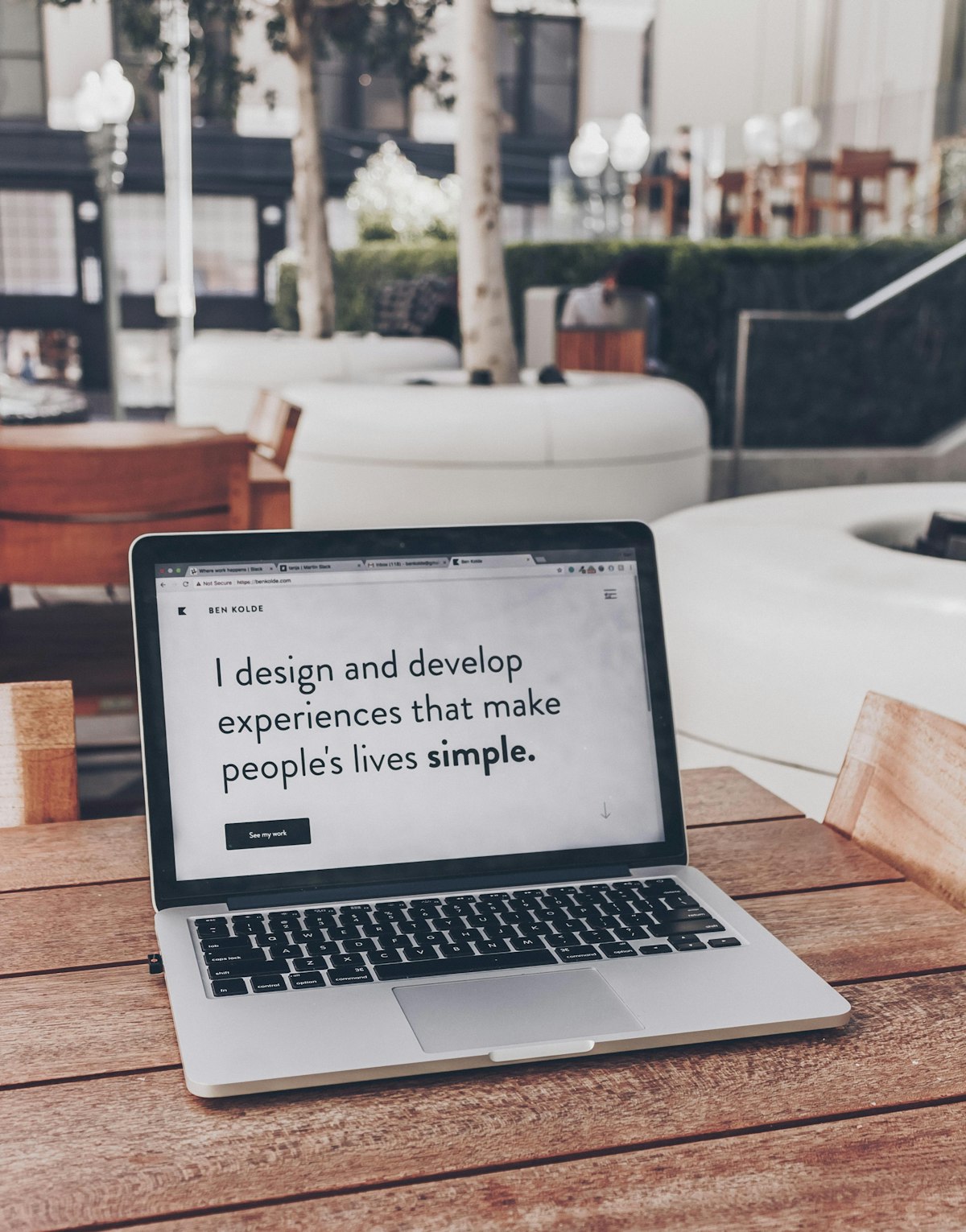
Your brand is not what you tell people in an ad. Your brand is what customers say about you when you are not in the room.
Positioning is a choice, not a slogan
Useful positioning forces choices about priority audience, the most important problem and a defensible difference. If everyone is the customer and every benefit matters, the position is not sharp enough. Strong positioning tells a team what to do, and what to refuse.
Turn strategy into a visual and verbal system
- Logo and color should reinforce the intended position
- Voice defines both what the brand says and how it says it
- Templates let teams create quickly without losing consistency
- Usage examples help partners apply the system correctly
The first 90 days of a new brand
Month one locks strategy and core principles. Month two tests the system on real touchpoints such as website, social and sales materials. Month three gathers feedback, fixes usability gaps and builds a content calendar that proves the position. A brand lives through daily use, not through delivery of a guideline.
💬 Reader Discussion
Share your perspective, questions, or campaign experience.
Đang tải bình luận...