What Opportunities Does Esports in Vietnam Offer Brands?
Esports not only attracts a large audience but also creates numerous touchpoints between brands and the gaming community. From tournaments and players to creators and behind-the-scenes content, each asset can become part of a campaign if selected and leveraged correctly.
In this article⌄
Esports Marketing Agency Vietnam helps brands and game publishers reach the esports community through tournaments, teams, players, creators, and gaming content. As Vietnam's esports scene continues to grow, marketing is no longer just about sponsoring a tournament, it requires a strategy tailored to the community's behavior and culture.
1. What Opportunities Is the Vietnam Esports Market Opening Up?
Esports in Vietnam is gradually shifting from a form of entertainment for the gaming community to a more professional ecosystem. Along with the growth of tournaments, teams, players, and content creators, brands now have more ways to engage with this market beyond simply placing their logos on stage or in livestreams.
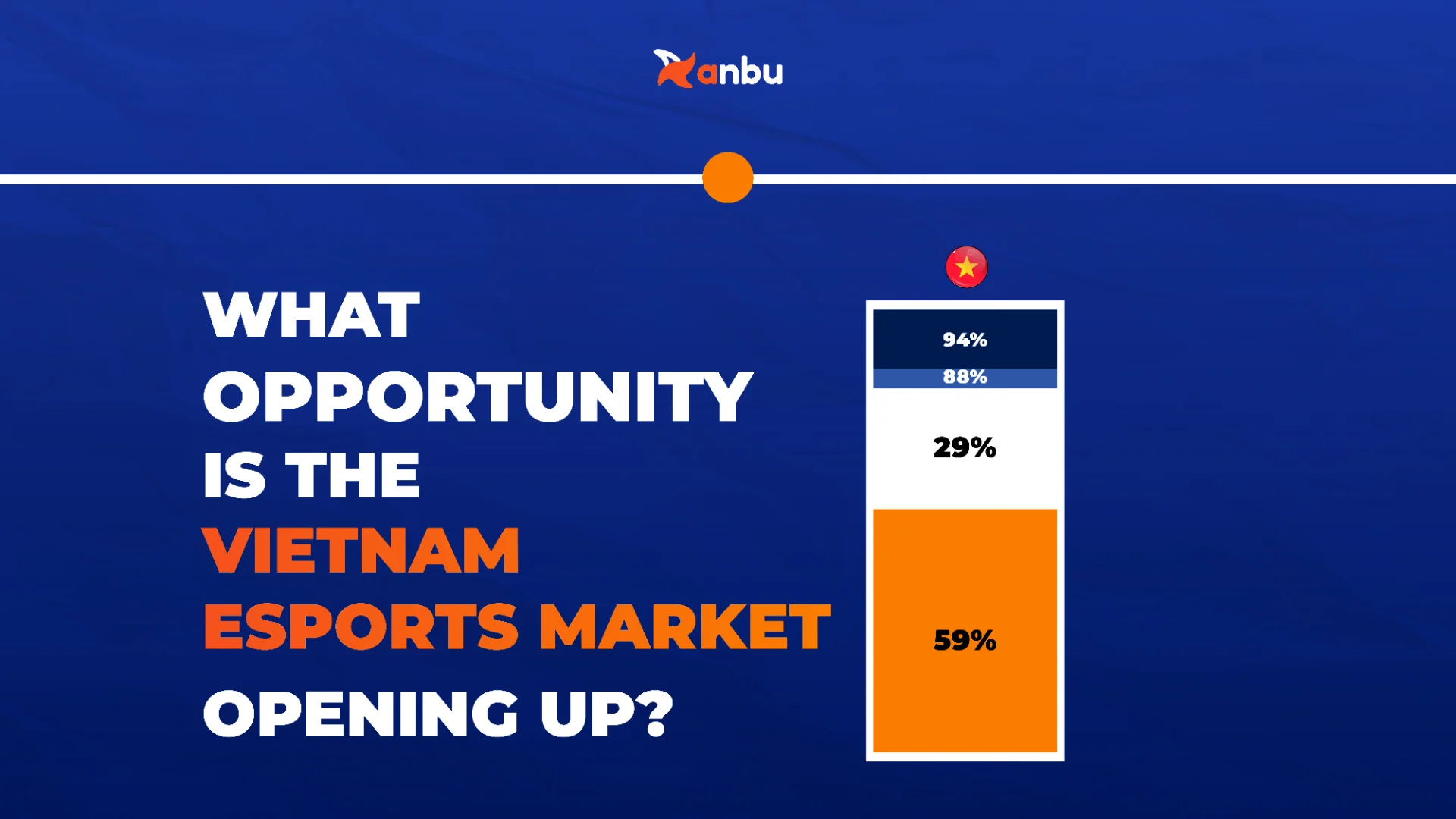
According to a Deloitte study on the Southeast Asian esports market, Vietnam is one of the region's standout markets, with a 94% awareness rate for esports and 59% of people regularly following the scene. Deloitte also noted that interest in esports in Vietnam surpassed that of soccer among the survey respondents.
Notably, esports viewers are not concentrated solely in major cities. Only 17% of viewers live in large urban areas, indicating that this community has relatively broad nationwide reach. For brands, this presents an advantage when rolling out digital, social media, and livestream campaigns rather than relying entirely on in-person events.
In 2026, the domestic esports ecosystem continued to gain momentum when the Vietnam Sports Department and VTC signed a strategic plan for esports development for the **2026–2030** period. This direction indicates that esports is being viewed on a broader scale, linked to the sports economy and the cultural industry.
These changes open up many opportunities for brands, but they also raise an important question: which assets should brands use to engage with esports, and how can they ensure their presence truly resonates with fans?
2. More Than Just Sponsorship: Ways Brands Can Engage with Esports
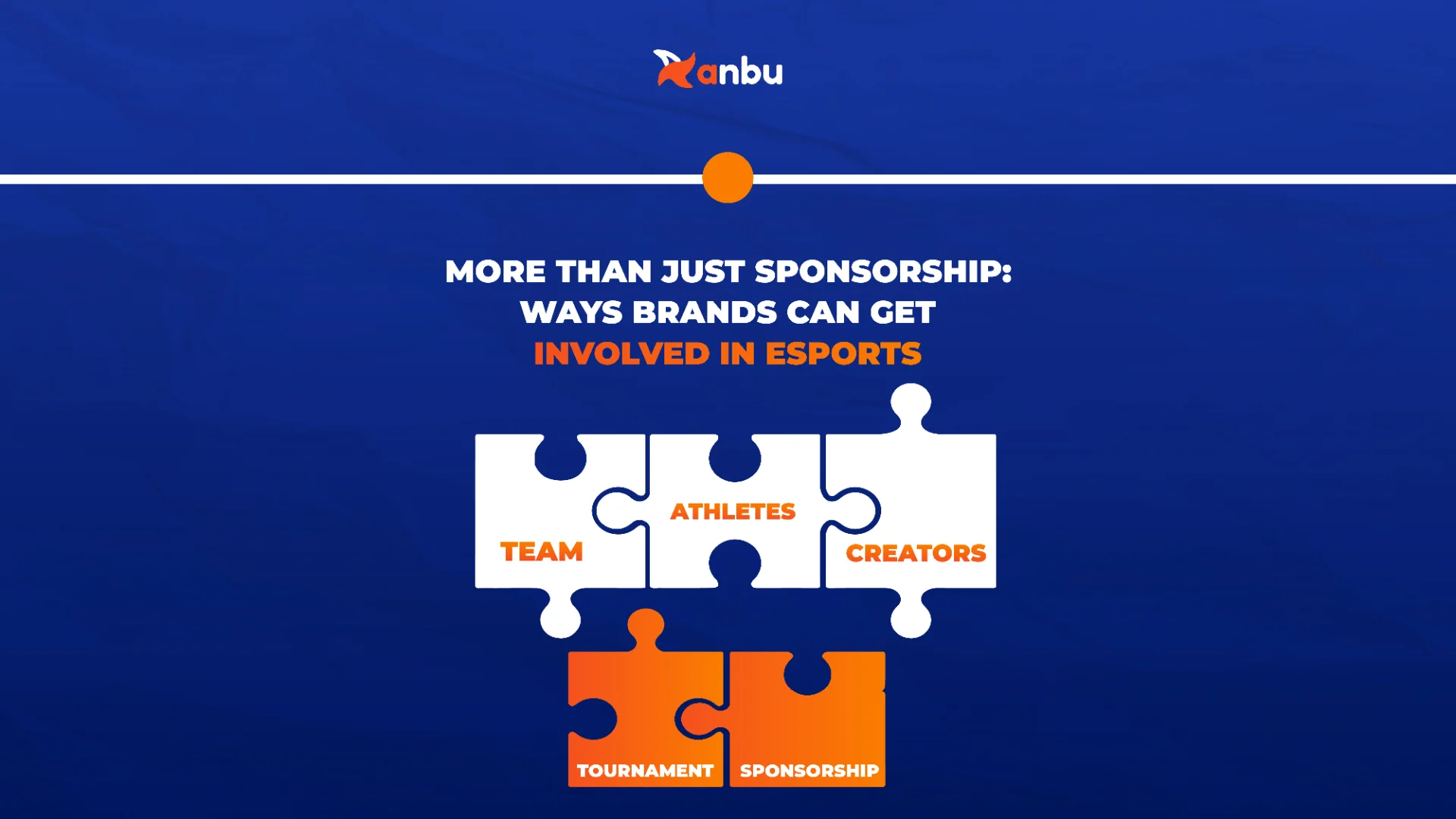
In an increasingly professional market, the challenge for brands is no longer simply finding a tournament with a large viewership to sponsor. What matters more is identifying the target community, selecting the right assets, and building a natural presence within the fan experience.
Tournament sponsorship and activation
Tournaments remain one of the most important assets in esports marketing. However, having a logo appear on stage or during a livestream is just the beginning.
An effective sponsorship campaign must create genuine interactions between the brand and the audience, such as:
- Predicting match outcomes;
- Minigames during livestreams;
- Content accompanying the tournament;
- On-site experiential activities at the venue;
- Gifts and rewards for the community;
- Behind-the-scenes content, highlights, and memorable moments.
In 2026, the VCT Pacific Stage 1, held in Ho Chi Minh City, demonstrated the appeal of a regional-scale esports tournament in Vietnam. According to VNG, the tournament reached 533,000 concurrent viewers.
Meanwhile, Esports Charts reported that the tournament reached a **peak of 553,883 viewers** during the finals. The two sources use different measurement methods; therefore, when evaluating the effectiveness of a campaign, businesses need to clearly define metrics, measurement methods, and data sources from the very beginning.
However, viewership is just the first step. The value of a campaign lies in whether the brand can convert that attention into brand awareness, engagement, or specific actions from the community.
Teams, athletes, and creators foster longer-lasting connections
While a tournament generates a large audience within a specific timeframe, teams, players, and creators help the brand maintain a longer-lasting presence.
Esports fans aren't just interested in match results. They also follow players' journeys, their personalities, everyday content, behind-the-scenes moments, and stories surrounding the teams. Therefore, the right ambassador can help a brand connect with the community in a much more personal way than a simple advertisement.
Therefore, the selection of players or creators should not be based solely on the number of followers. Businesses should also consider:
- The actual audience;
- The discipline and community in which they are active;
- The level of engagement;
- Personal image and style;
- Brand fit;
- The ability to create content beyond livestreams or competitions.
This approach helps avoid the situation where a business “hires a gaming KOL for advertising” but the content has no real connection to the community.
3. From the Right Audience to the Right Time: How to Build a Campaign?
After identifying the assets to leverage, the next step is to tie them together into a unified strategy. An effective campaign shouldn't start with the question “Which tournament should we sponsor?”, but rather with the marketing objectives and the target audience to be reached.
Start with the audience rather than the tournament
The Vietnam esports community is not a homogeneous group. VALORANT viewers may behave very differently from viewers of PUBG Mobile, League of Legends, or other mobile esports titles. Even within the same game, viewers of professional tournaments may differ from those who primarily follow content creators.
Therefore, before selecting an esports asset, businesses should determine:
- Who is the target audience of players or viewers?
- Which titles, teams, or players do they follow?
- Where do they typically consume content?
- Are they interested in competition, gameplay, or player stories?
- Is the campaign goal brand awareness, engagement, game downloads, or conversions?
Once these questions are clearly answered, businesses will find it easier to select the appropriate tournaments, creators, or activation formats, rather than simply chasing after large-scale events.
Extend the campaign before, during, and after the tournament
An esports campaign doesn't necessarily have to start when the first match begins and end immediately after the finals. An event can become a source of content that lasts for weeks if planned in advance.
Before the tournament: generate buzz through teasers, player profiles, prediction content, creator collaborations, or community activities.
During the tournament: leverage livestreams, in-game moments, highlights, minigames, and interactive activities to integrate the brand into the viewers' experience.
After the tournament: continue to leverage behind-the-scenes footage, interviews, highlights, player stories, and community content to extend the campaign's lifespan.
This approach is particularly well-suited for digital marketing, as a single event can generate diverse content formats for TikTok, YouTube, Facebook, livestreams, and gaming communities.
Vietnam GameVerse 2026 is an example of the potential synergy between esports and community experiences. According to VNG Games, the event attracted over **35,000 visitors over two days** and marked the first time the SEA Esports Nations Cup, a national-team-level tournament in Southeast Asia, was held in Vietnam, featuring 87 athletes from 11 countries.
This demonstrates that esports marketing is increasingly capable of integrating competition, in-person experiences, digital content, and community activities, rather than relying solely on in-stream advertising.
4. What Value Does an Agency Bring to an Esports Campaign?
Handling esports marketing in-house may be suitable for brands that already have a dedicated gaming team. However, for businesses new to the market, the challenge often lies in understanding the community, selecting the right assets, and finding ways to engage without detracting from the fan experience.
An esports-specialized agency can be involved from the research phase through to actual implementation, including:
- Player research: Identifying target groups of gamers, viewers, and communities.
- Strategy development: Defining the role of esports within the overall marketing plan.
- Tournament activation: Developing sponsorship ideas and interactive activities.
- Collaboration with teams and players: Selecting partners aligned with brand objectives.
- Creator marketing: Connecting with gaming creators and developing relevant content.
- Content marketing: Creating content before, during, and after tournaments.
- Community marketing: Organizing engagement activities and maintaining interaction with the community.
- Measurement: Tracking views, engagement, reach, traffic, and conversions.
It's important to note that effectiveness shouldn't be judged solely by the number of views. Businesses need to know where those viewers come from, which audience segments they belong to, how they engage, and whether that interest creates value for the brand.
Vietnam's esports scene is entering a more professional phase with the simultaneous growth of tournaments, teams, players, content creators, and community activities. The esports development roadmap for 2026–2030 also indicates that this sector is increasingly recognized as part of the sports economy and cultural industry.
In this context, an esports marketing agency is more than just a bridge connecting brands to a tournament. Its greater value lies in the ability to understand the community, select the right assets, create relevant content, and transform fan engagement into long-term brand relationships.
If your business is looking for a partner to implement esports marketing in Vietnam, ANBU can assist with everything from market research and strategy development to content creation and connecting with the right community.
💬 Reader Discussion
Share your perspective, questions, or campaign experience.
Đang tải bình luận...